
#ev
11 public posts
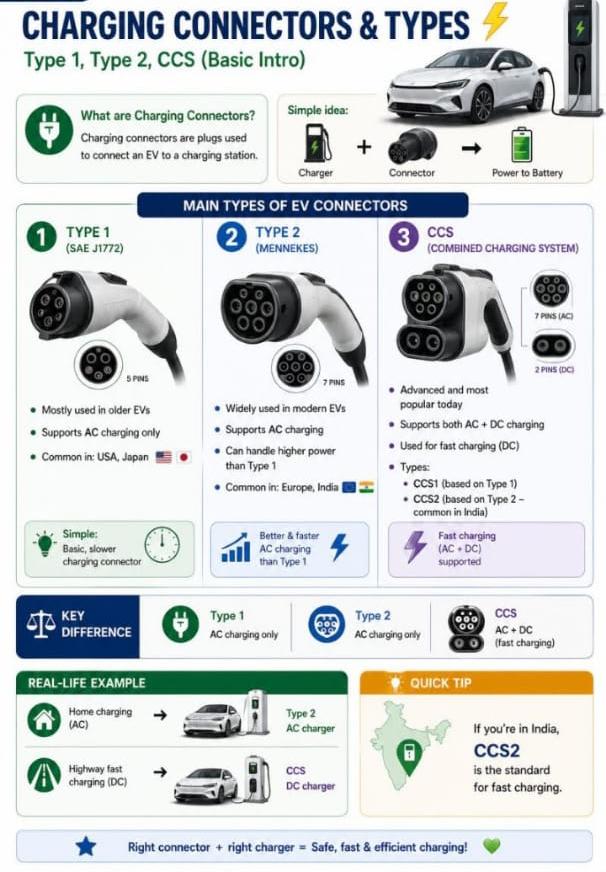
- As part of my SWAYAM exam preparation and EV learning journey, I studied different EV charging connectors and their applications. Understanding the difference between Type 1, Type 2, and CCS connectors helped me learn how EV charging infrastructure works in real-world applications. Charging Connectors & Types – Type 1, Type 2, CCS (Basic Intro) 🔌 What are Charging Connectors? Charging connectors are plugs used to connect an EV to a charging station. 👉 Simple idea: Charger + Connector → Power to Battery 🔋 ⚙️ Main Types of EV Connectors 1️⃣ Type 1 (SAE J1772) Mostly used in older EVs Supports AC charging only Common in: USA, Japan 👉 Simple: Basic, slower charging connector 2️⃣ Type 2 (Mennekes) Widely used in modern EVs Supports AC charging Can handle higher power than Type 1 👉 Common in: Europe, India 🇮🇳 3️⃣ CCS (Combined Charging System) Advanced and most popular today Supports both AC + DC charging Used for fast charging (DC) 👉 Types: CCS1 (based on Type 1) CCS2 (based on Type 2 – common in India) 🔄 Key Difference Type 1 / Type 2 → AC charging only CCS → AC + DC (fast charging) ⚡ Real-Life Example Home charging → Type 2 AC charger 🏠 Highway fast charging → CCS DC charger ⚡ 💡 In the India, CCS2 is the standard for fast charging. #EV #EV_PowerTrain #EV_HV_Harness #EV_Charging_System #CAN
Liked by Jyoti Sangam, Bhushan Chandekar and 1 other
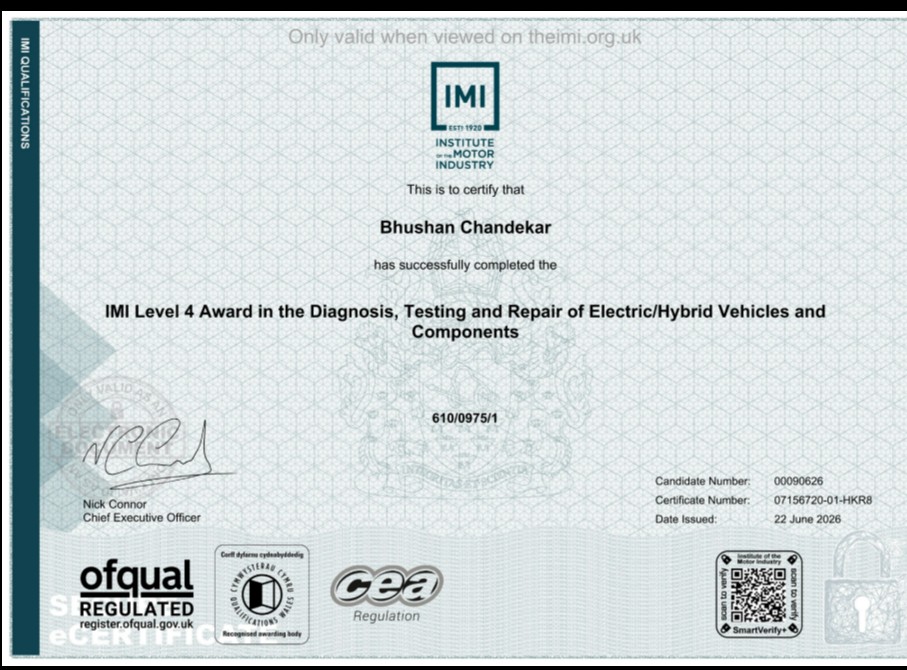
3 reactions - ⚡ Excited to share that I have successfully achieved the IMI Level 4 Award in the Diagnosis, Testing and Repair of Electric/Hybrid Vehicles and Components. This qualification has strengthened my expertise in high-voltage systems, EV and hybrid vehicle diagnostics, testing procedures, fault finding, and repair methodologies. As the global automotive industry accelerates towards electrification, continuous learning and upskilling are essential. I look forward to applying these advanced skills and contributing to the growth of the e-mobility ecosystem. Thank you to everyone who supported me throughout this journey. #Electric vehicles #EV #Mobility #Technology #Hybrid vehicles #Automotive engineering #Diagnostics #Sustainable mobility #Future mobility #Professional development
Liked by NAGULRAJ V, VATSAL BHATT and 8 others
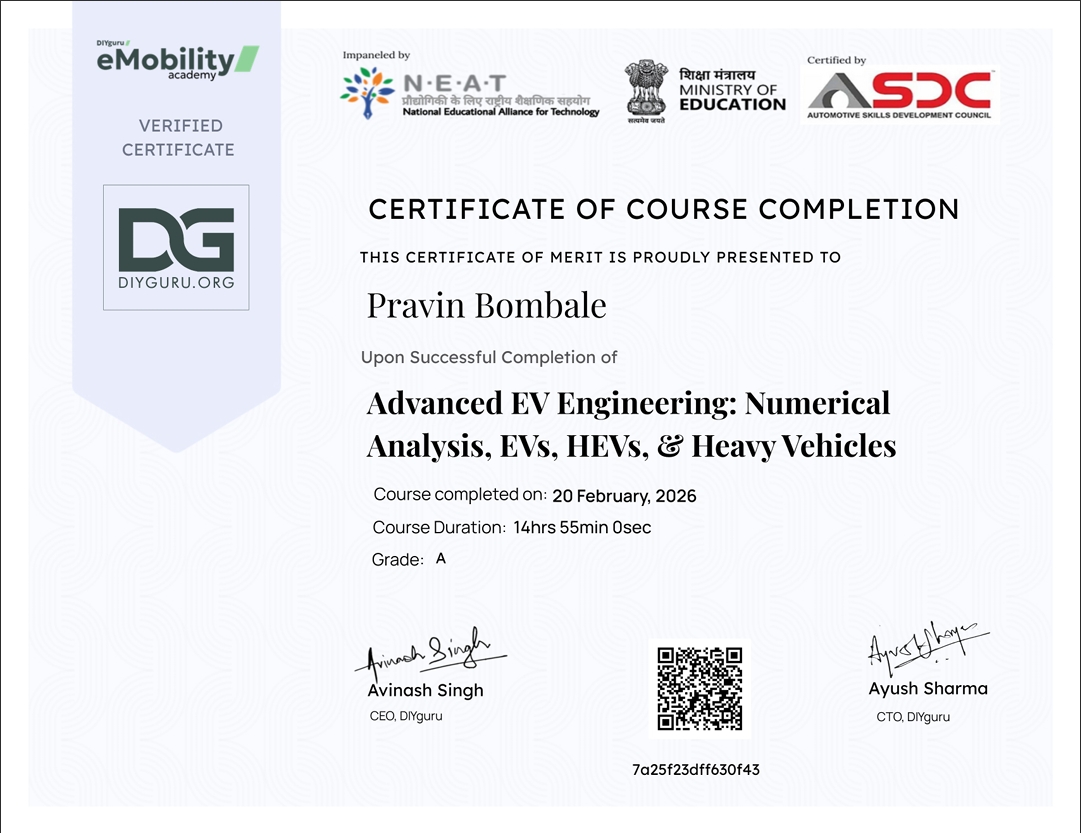
10 reactions2 comments - Successfully Completed Advanced EV Engineering Certification! 🎉 I am happy to share that I have successfully completed the Advanced EV Engineering: Numerical Analysis, EVs, HEVs, & Heavy Vehicles certification from DIYguru eMobility Academy. This course helped me gain practical knowledge in: Electric Vehicle Engineering Hybrid Electric Vehicles (HEVs) Heavy Vehicle Electrification Numerical Analysis EV System Fundamentals As an Electronics & Telecommunication Engineering graduate pursuing a career in Electric Vehicles, Embedded Systems, and Battery Management Systems (BMS), this certification strengthens my technical foundation and prepares me for opportunities in the EV industry. I look forward to applying these skills in internships and full-time roles while continuing to learn and grow in the field of sustainable mobility. #EV #eMobility #BatteryManagementSystem #EmbeddedSystems #Automotive #Engineering #Career #Learning #DIYguru
Liked by Jananis Sri K G, Bhushan Chandekar and 3 others
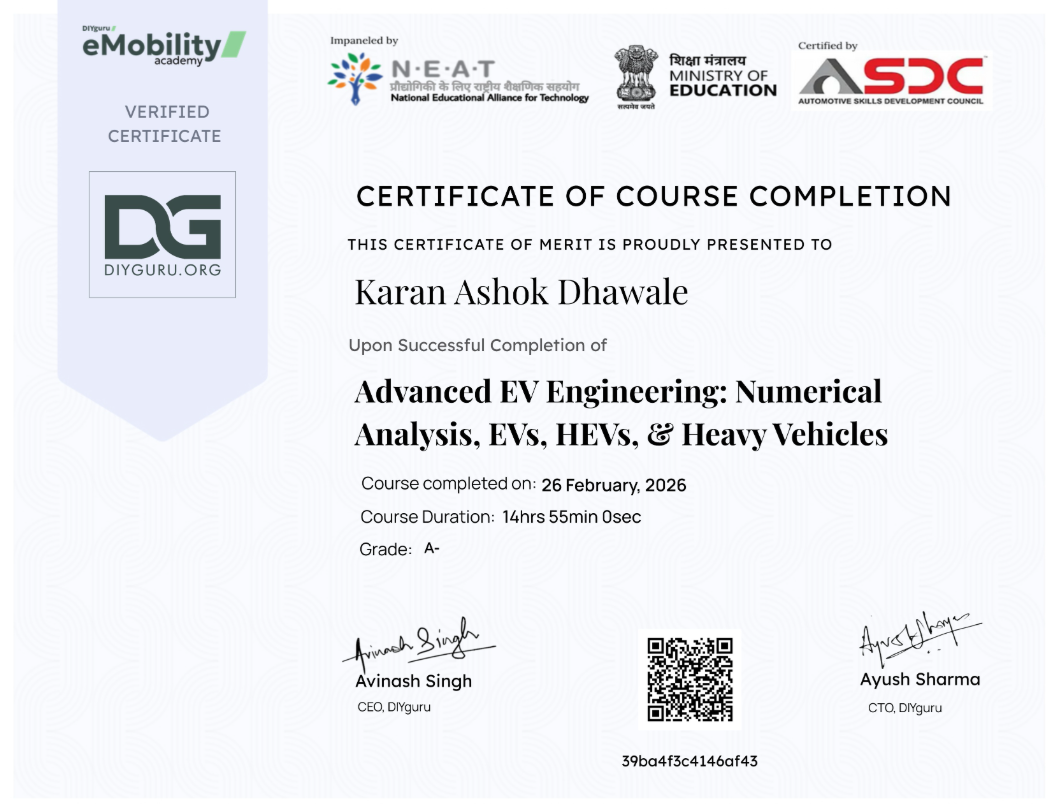
5 reactions - 🚘 Successfully completed certification in Advanced EV Engineering covering EVs, HEVs, and Heavy Electric Vehicles ✅ EV powertrain design ✅ Battery systems ✅ Electric motors ✅ Regenerative braking ✅ Energy management ✅ Power electronics #EV #BatteryManagementSystem #BMS #ElectricVehicles #EmbeddedSystems #BatteryTechnology #OpenToWork #Internship #eMobility
Liked by Bhushan Chandekar, Pravin Bombale and 1 other
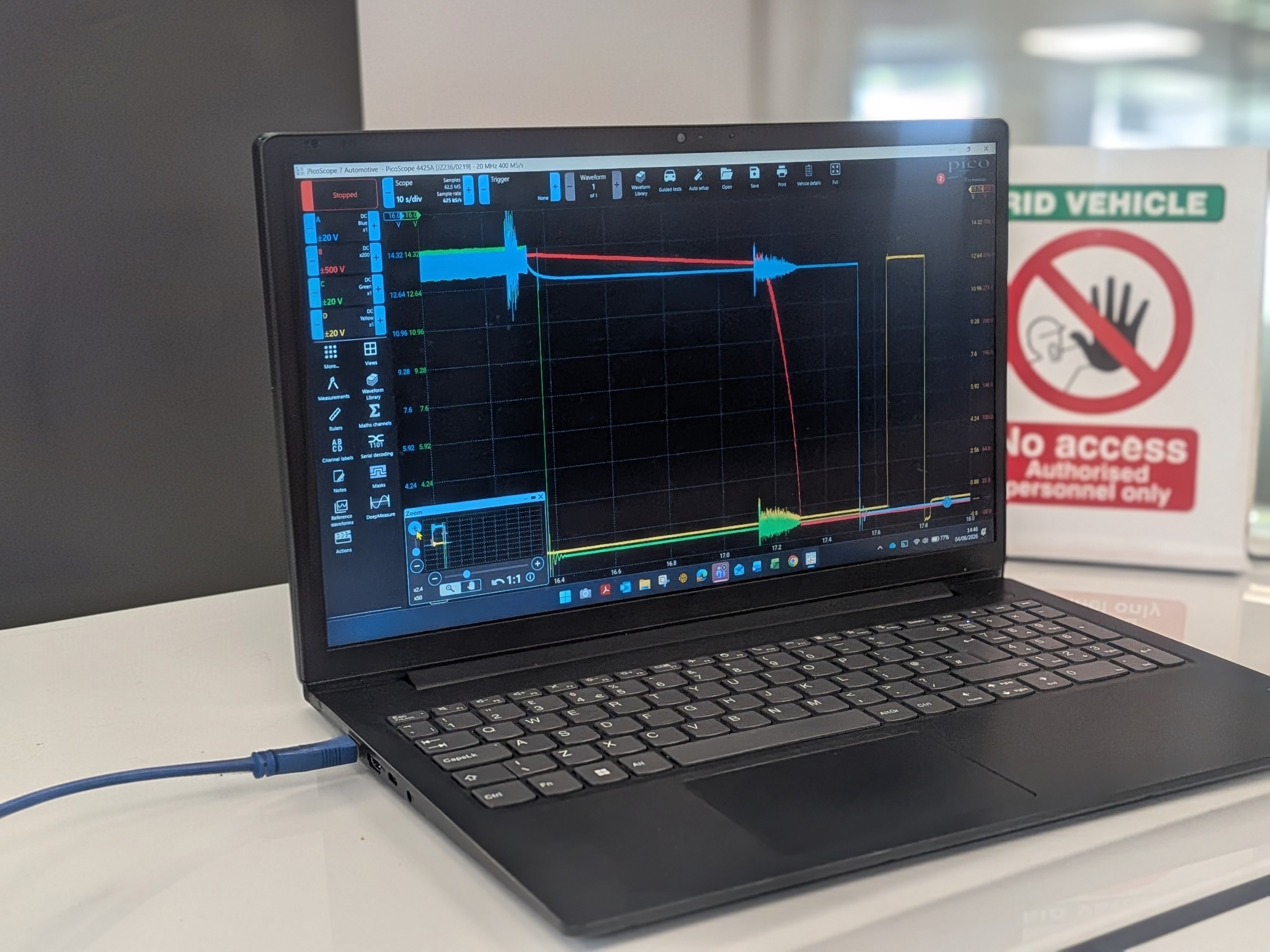
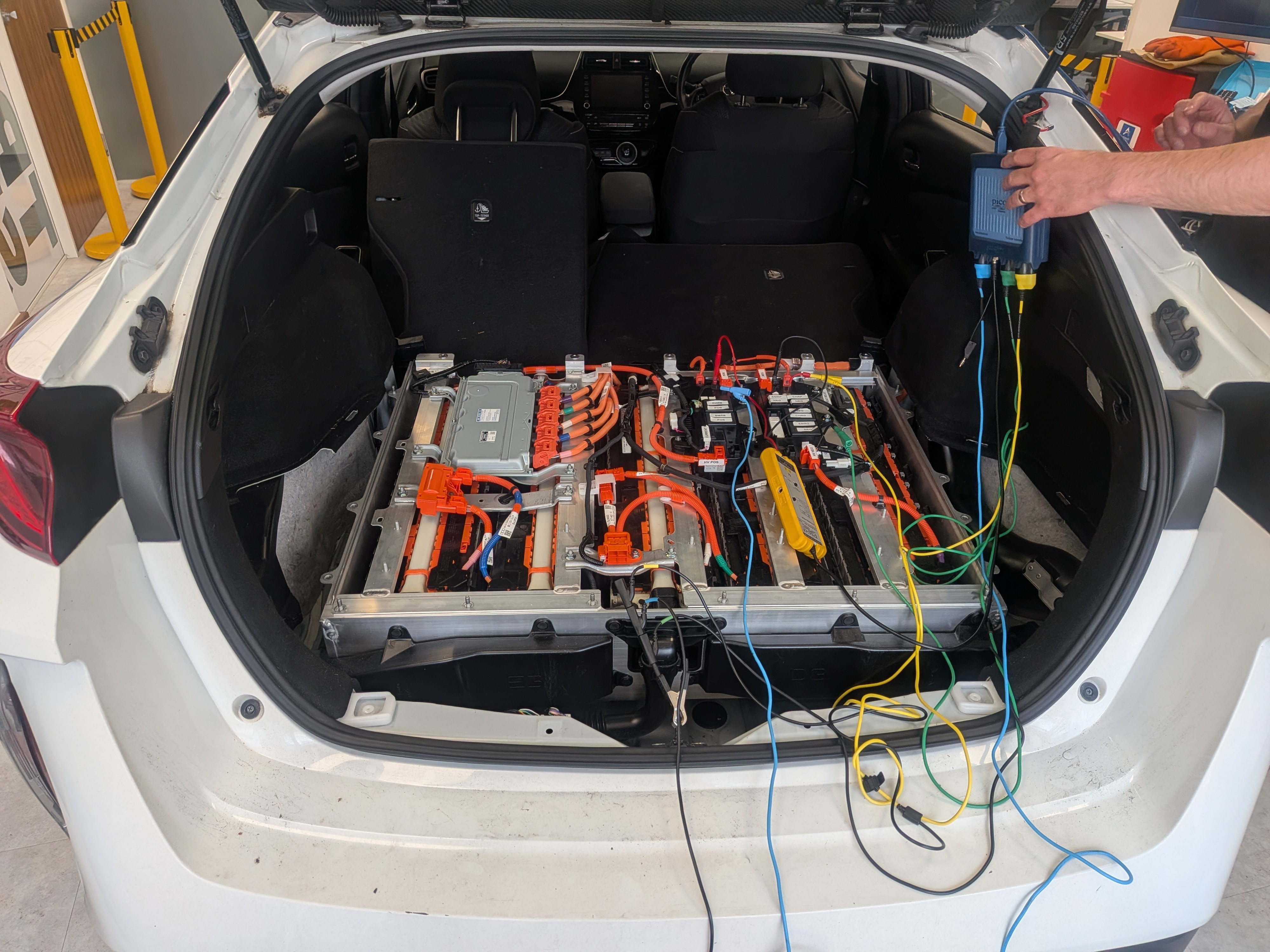
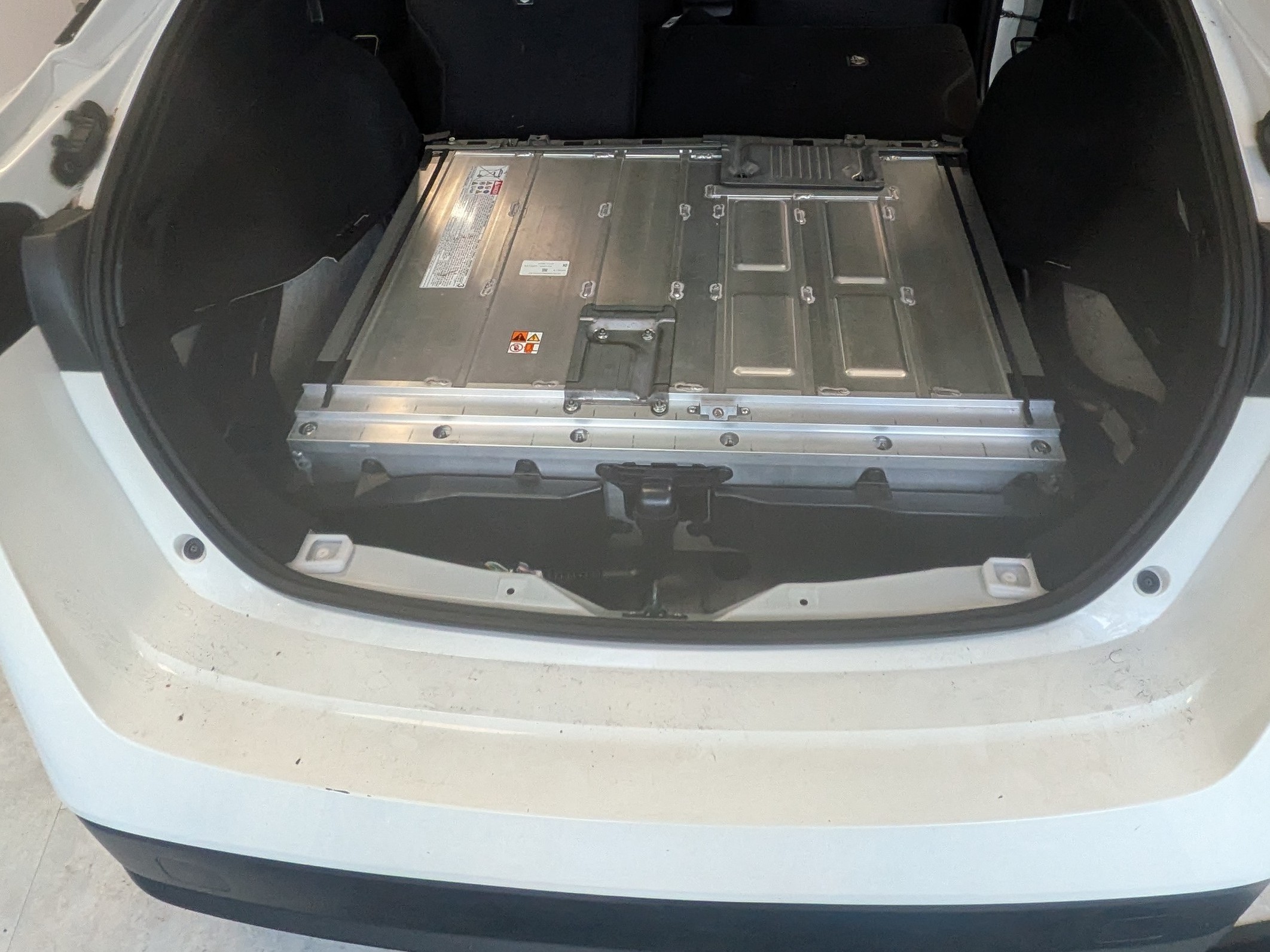
3 reactions - From Components to Diagnostics: Understanding EV Systems Through Testing One of the most valuable aspects of working with electrified vehicle systems is learning how to move beyond component identification and into diagnostic analysis. Recently, I had the opportunity to gain hands-on experience using diagnostic and measurement tools while working with high-voltage EV systems. Key areas of learning included: 📊 Interpreting electrical signals and waveforms using diagnostic equipment ⚡ Measuring and verifying electrical parameters within high-voltage systems 🔋 Understanding battery pack architecture and component interactions 🔧 Applying a structured approach to electrical fault finding and system validation 📖 Using technical information and diagnostic procedures to support troubleshooting activities Working with both physical vehicle systems and diagnostic data has further strengthened my interest in vehicle testing, validation engineering, battery systems and power electronics. I am currently seeking opportunities within automotive testing, validation, EV systems and electrified powertrain engineering. #AutomotiveEngineering #ElectricVehicles #EV #Diagnostics #PicoScope #VehicleTesting #ValidationEngineering #BatteryTechnology #PowerElectronics #OpenToWork
Liked by Jananis Sri K G, VATSAL BHATT and 8 others
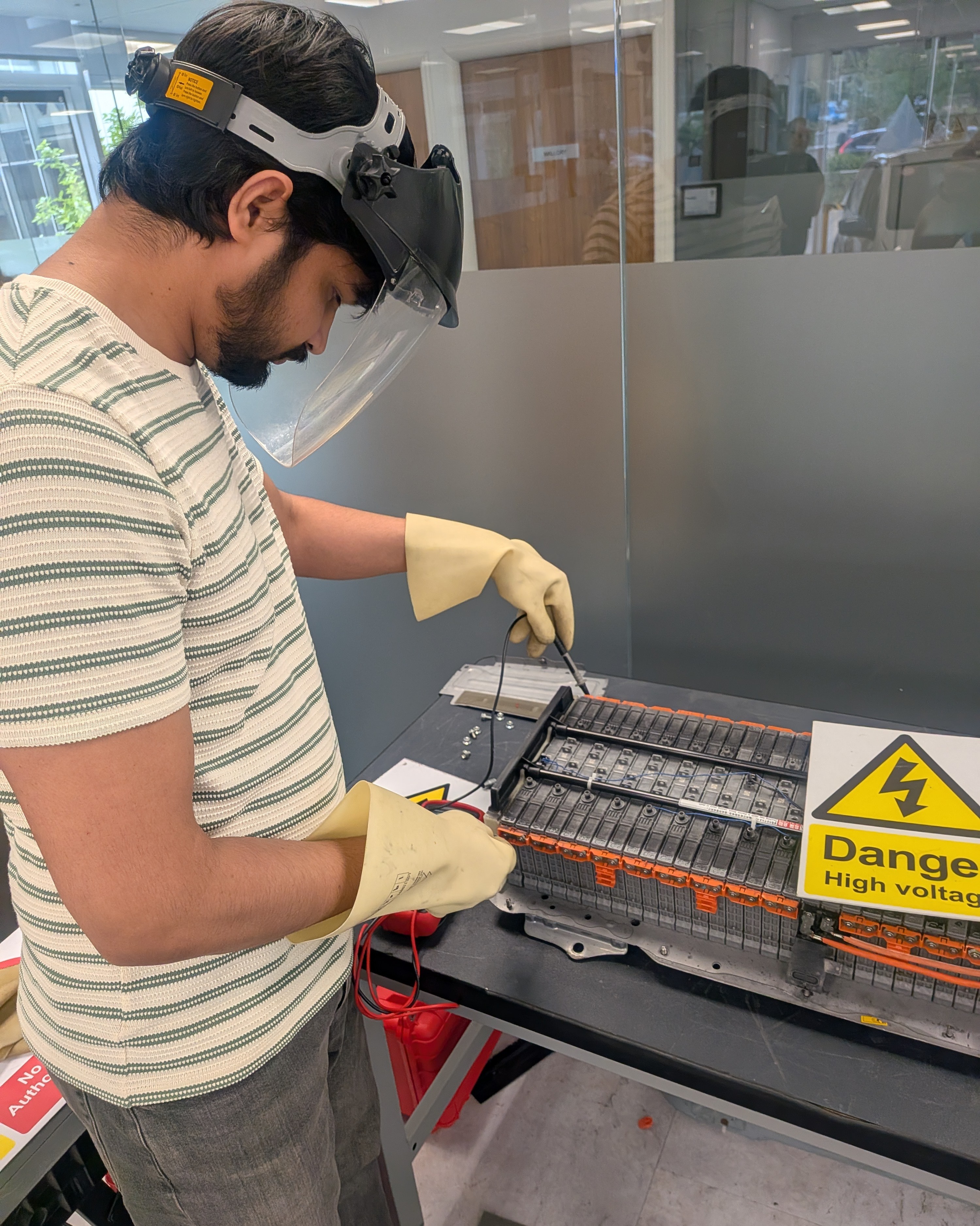
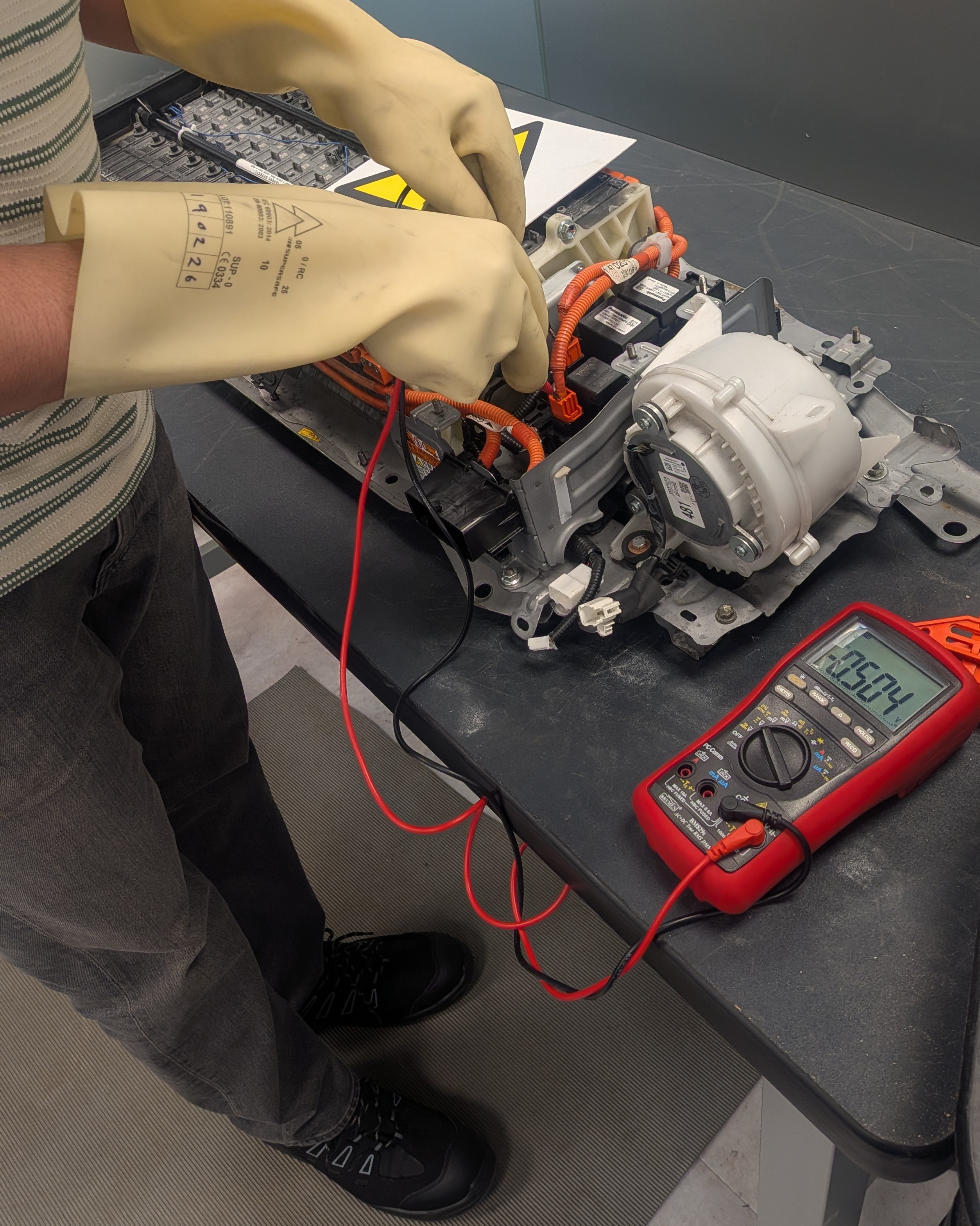
10 reactions - Understanding what happens inside an electric vehicle battery pack is just as important as understanding how the vehicle performs as a whole. As part of my practical Hybrid & Electric Vehicle training, I had the opportunity to examine an opened EV battery pack and gain a better understanding of: 🔋 Battery pack architecture and component layout ⚡ High-voltage safety considerations 🛠️ Battery modules, electrical connections and supporting components 📋 The importance of a structured and safe approach when working with HV systems Experiences like this have helped bridge the gap between theory and practical engineering, while strengthening my interest in battery technology, power electronics and vehicle validation. I'm continuing to develop my skills in electrified vehicle systems and am actively seeking opportunities in EV engineering, testing and validation. #ElectricVehicles #BatteryTechnology #AutomotiveEngineering #EV #HighVoltage #PowerElectronics #ValidationEngineering #OpenToWork
Liked by Jananis Sri K G, Ayush Pandey and 10 others
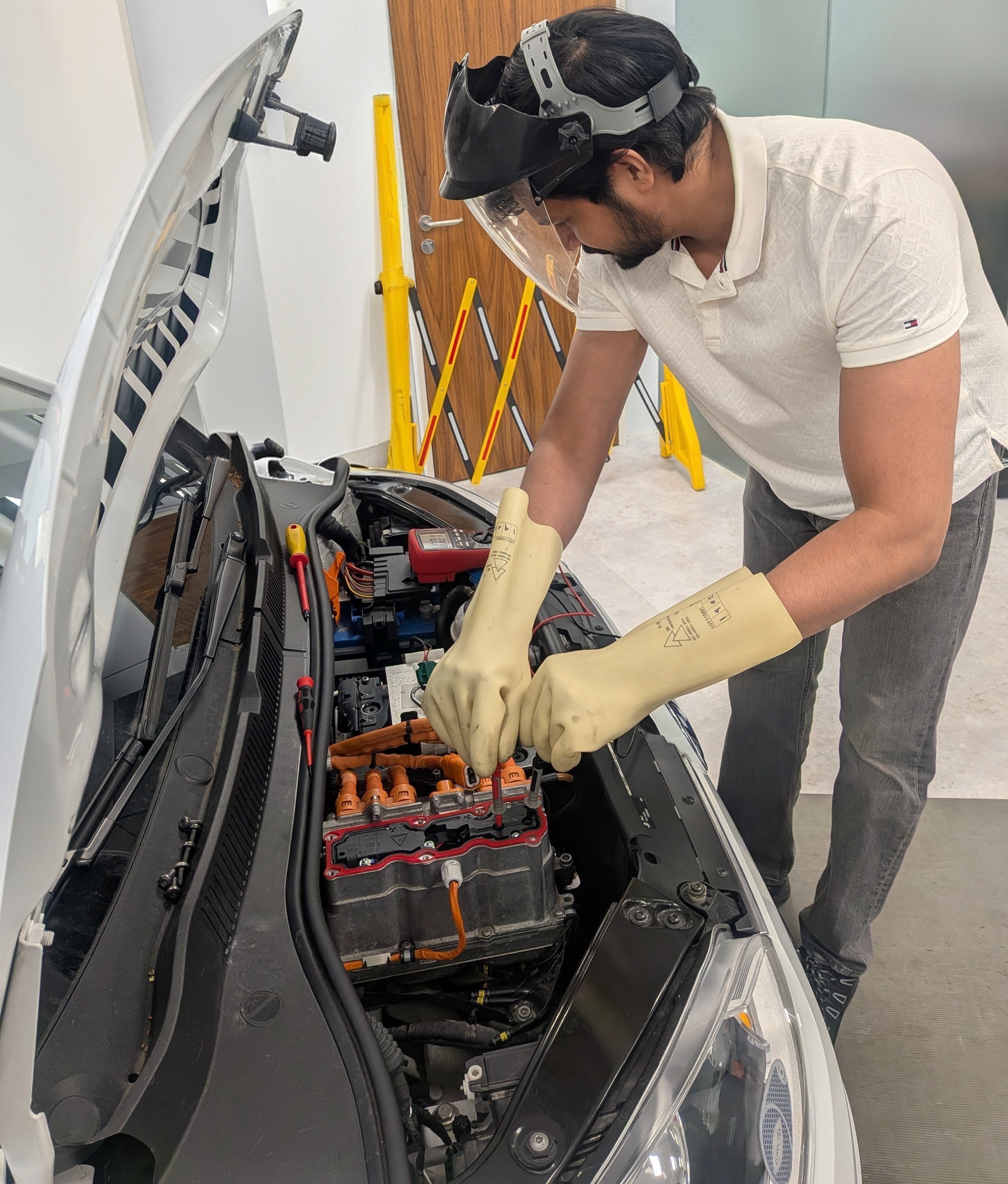
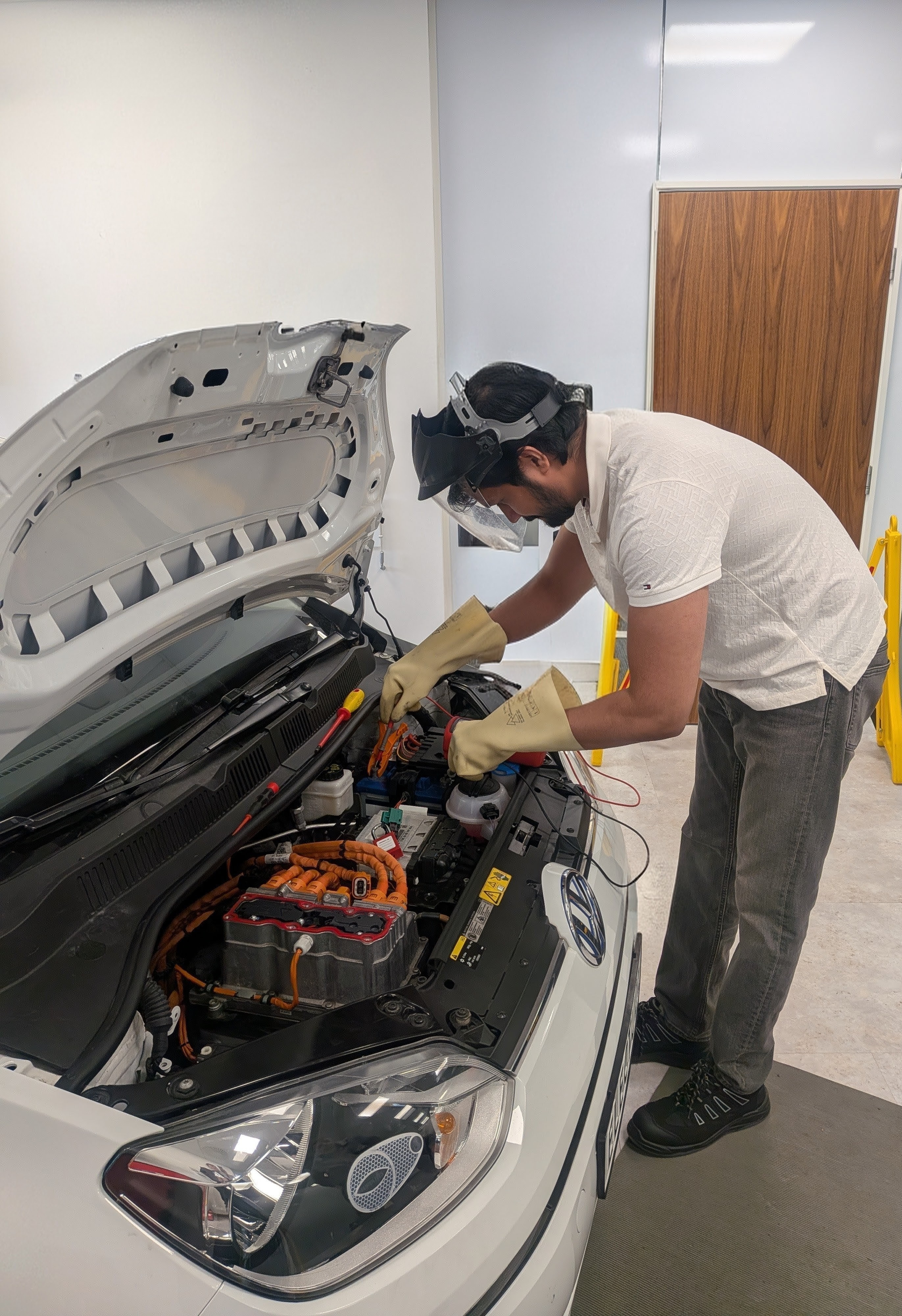
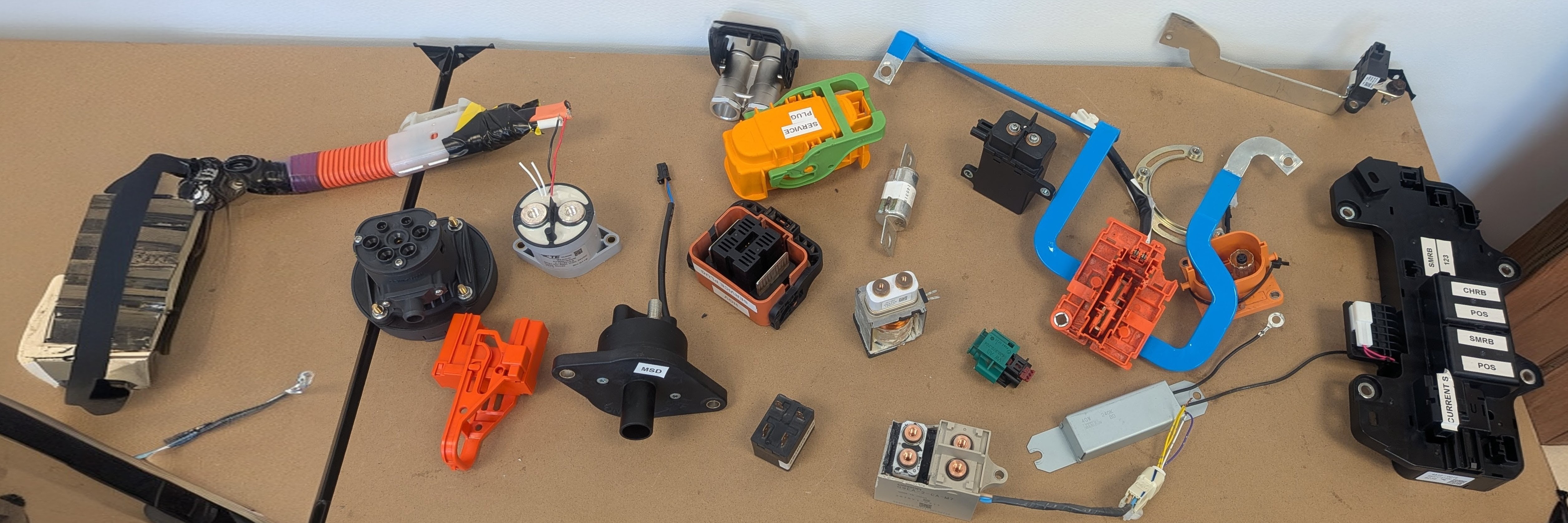
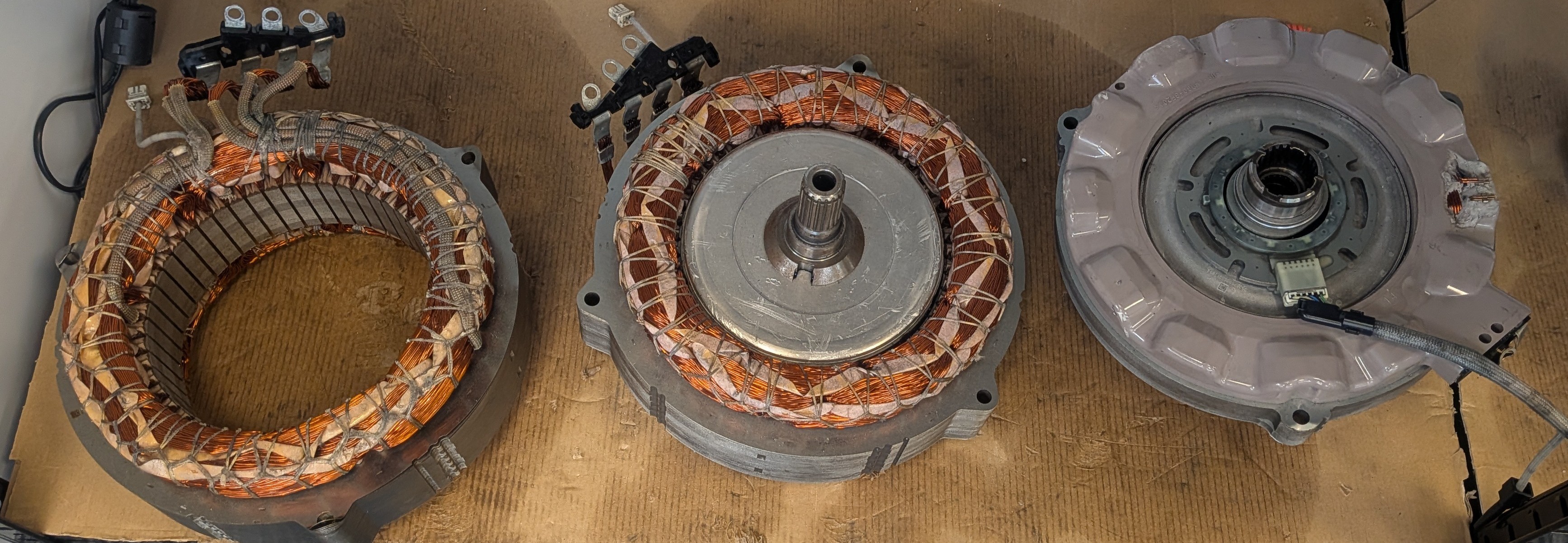
12 reactions - Building practical experience alongside my MSc in Automotive Engineering has been an important part of my journey into the electric vehicle industry. Recently, I had the opportunity to work with high-voltage EV systems, developing hands-on experience in: High-voltage safety procedures and system isolation EV battery architecture and component identification Inspection and handling of HV components, including service disconnects, contactors, connectors and battery modules Applying wiring diagrams and structured diagnostic methods to electrical fault finding These practical sessions have strengthened my understanding of battery technology, power electronics and vehicle validation, while reinforcing the importance of safety and methodical engineering practice when working with electrified vehicles. I'm currently seeking opportunities in EV systems, battery testing, power electronics and vehicle validation engineering. The practical activities shown were completed as part of my IMI Hybrid & Electric Vehicle training. Always happy to connect with professionals working in automotive electrification and advanced vehicle technologies. #Automotive engineering #Electric vehicles #EV #Battery Technology #Power electronics #Vehicle testing#Validation engineering #High Voltage #Open to work
Liked by Jananis Sri K G, VATSAL BHATT and 6 others
8 reactions 
Embedded Systems & EV Engineer | Battery Pack Design | BMS | EV Powertrain | Embedded C | EV Diagnostics
May 2026·Battery Pack Assembly in Electric Vehicles (EVs) 🚗 Battery pack assembly is one of the most critical processes in electric vehicle manufacturing because the battery pack acts as the heart of an EV. A properly assembled battery pack ensures safety, performance, efficiency, and longer battery life. Main steps involved in battery pack assembly: ✅ Cell selection and testing ✅ Cell arrangement and configuration (Series/Parallel connection) ✅ Busbar connection and welding process ✅ Integration of Battery Management System (BMS) ✅ Temperature sensor and wiring installation ✅ Battery casing and insulation setup ✅ Safety checks and testing Why is proper battery pack assembly important? 🔹 Improves battery performance 🔹 Enhances vehicle range 🔹 Increases battery life 🔹 Prevents overheating and safety issues 🔹 Ensures reliable EV operation Battery pack design and assembly require a combination of electrical, mechanical, and safety considerations to achieve efficient and reliable performance. What do you think is the biggest challenge in battery pack assembly: Safety, Thermal Management, or Cell Balancing? 👇 #ElectricVehicle #BatteryPack #BatteryTechnology #BMS #EV #ElectricMobility #EmbeddedSystems #LithiumIonBattery #Engineering #EVTechnology #LFPandNMC
Liked by Bhushan Chandekar, Md Zeeshan Alam and 3 others
5 reactions- 🔋 Successfully Completed Battery & Battery Management Systems (BMS) Certification I’m excited to share that I have successfully completed the Battery and Battery Management Systems (BMS) Course from DIYguru with an A+ Grade. Key learnings from this certification: ✅ Battery Fundamentals ✅ Battery Management Systems (BMS) ✅ Cell Balancing & Protection ✅ SOC & SOH Estimation ✅ EV Battery Safety & Monitoring I am an Electronics & Telecommunication Engineering student, passionate about Electric Vehicles, Embedded Systems, and Battery Technology, and actively looking for Internship / Entry-Level opportunities in the EV industry. #EV #BatteryManagementSystem #BMS #ElectricVehicles #EmbeddedSystems #BatteryTechnology #OpenToWork #Internship #eMobility
Liked by Karan Dhawale, Bhushan Chandekar and 5 others
7 reactions 
Corporate Relations & HR | EV Talent Partnerships | Driving Hiring for 40+ Companies | Recruitment & Stakeholder Management
May 2026·⚡ 𝗪𝗵𝗮𝘁 𝗗𝗼 𝗛𝗥𝘀 𝗔𝗰𝘁𝘂𝗮𝗹𝗹𝘆 𝗟𝗼𝗼𝗸 𝗙𝗼𝗿 𝗶𝗻 𝗮𝗻 𝗘𝗩 𝗘𝗻𝗴𝗶𝗻𝗲𝗲𝗿? The EV industry is growing rapidly, but hiring in this space has changed significantly over the last few years. Today, companies are not just looking for candidates with certifications — they are looking for engineers who can contribute from day one. ⚡ Here’s what hiring teams value the most: 🔹 Hands-on EV project experience 🔹 Understanding of Battery, BMS & Diagnostics 🔹 Knowledge of motors, controllers & vehicle systems 🔹 Problem-solving and troubleshooting skills 🔹 Internship or industry exposure 🔹 Communication & technical reporting skills 🔹 A strong LinkedIn, GitHub, or project portfolio Many candidates have similar resumes. What really creates impact is the ability to demonstrate practical skills and real-world understanding. 🚀 The demand for EV talent is increasing every day, but industry-ready engineers are still limited — and that’s where the biggest opportunities exist. Students who focus on practical exposure, projects, and continuous learning are the ones getting noticed faster by recruiters and hiring managers. 💬 According to you, what is the most important skill an EV Engineer should have today? #EV #ElectricVehicles #EVEngineering #EVJobs #BatteryTechnology #BMS #AutomotiveEngineering #FutureOfMobility #EVCareers #EngineeringStudents #Hiring #DIYguru #eMobilityCareers
Liked by Bhushan Chandekar, SHARUNRAGH K and 2 others
4 reactions
Business Development Manager | EV Center of Excellence Specialist | Industry Partnerships at DIYguru
May 2026·🚀 Daily EV Update - May 04, 2026 🔋 Battery Tech Update: Solid-state batteries and LFP chemistry are changing the game. Higher energy density and faster charging are no longer 'future tech'—they are arriving now. What's your take on the most promising battery chemistry for 2026? #BatteryTech #EV #Innovation Stay tuned with @eMobilityCareers for more updates! #EVIndia #DailyUpdate #eMobilityLiked by Samuel Okello, Shivani Mishra and 2 others
4 reactions